

Introduction
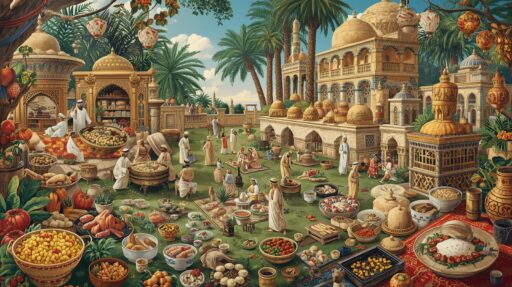
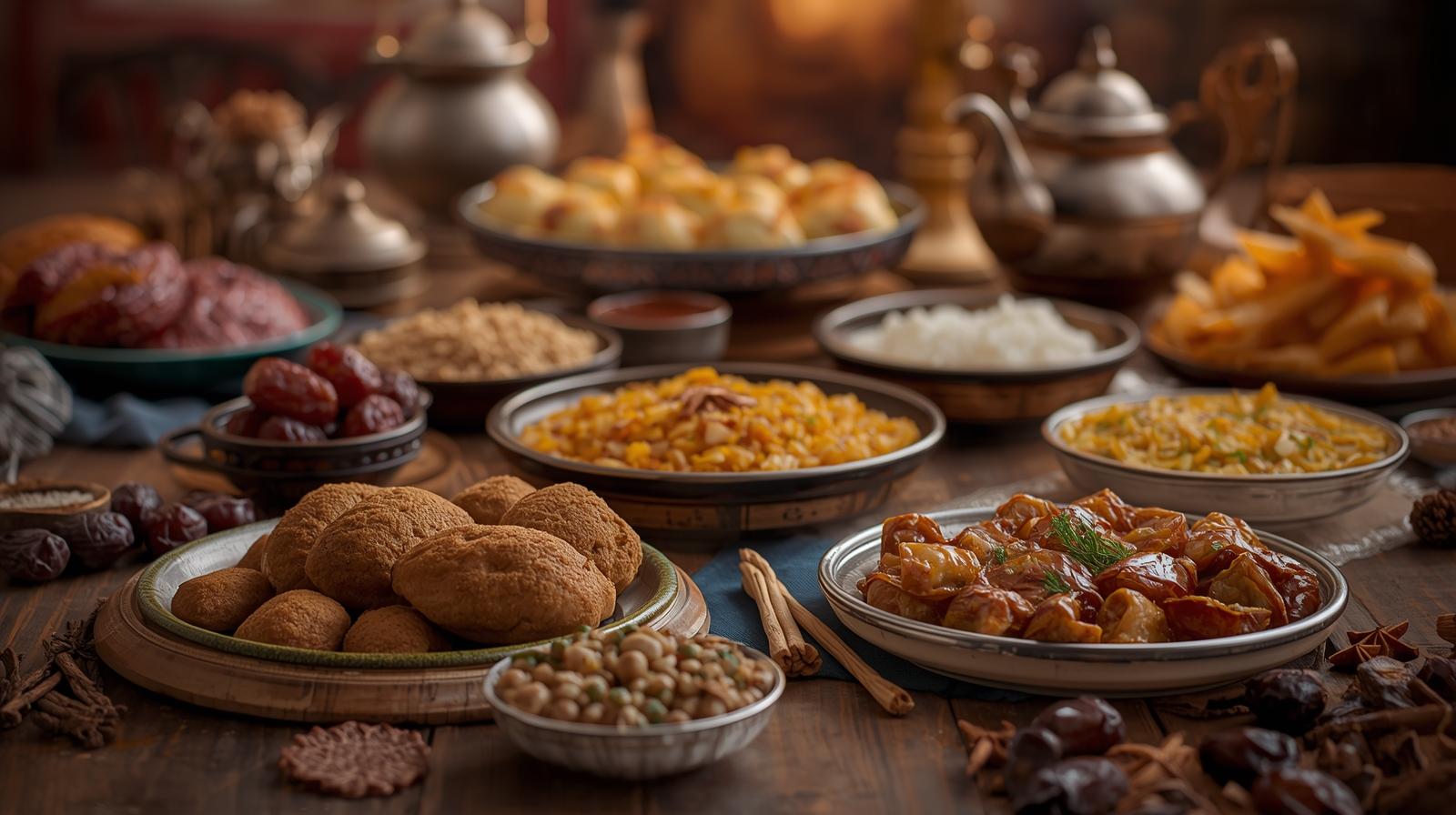
Emirati cuisine reflects centuries of history, cultural exchange, and the natural environment of the UAE. From desert herbs to fresh seafood, traditional dishes tell the story of a resilient people who adapted to harsh climates while developing rich culinary traditions. This article explores the key elements of traditional Emirati food and its significance in daily life and celebrations.
Historical Background
Historically, the UAE’s cuisine developed based on locally available ingredients. Dates, fish, rice, and camel meat were staples. Coastal communities relied on seafood, while desert tribes used camel and goat meat. Spices, often imported through trade with India and Persia, added flavor and variety.
Food traditions were closely tied to hospitality, a cornerstone of Emirati culture. Guests were offered Arabic coffee (gahwa), dates, and specially prepared meals as a sign of respect and generosity. Meals also marked seasonal and religious festivals, connecting people to tradition and community.
Key Traditional Dishes
1. Machboos
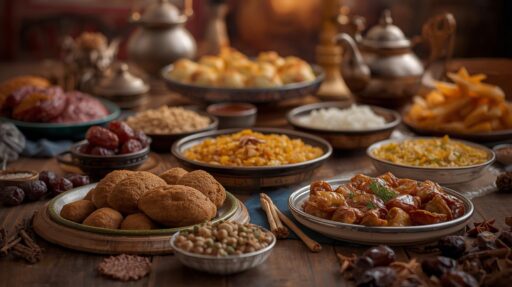
A fragrant rice dish with meat, fish, or chicken, machboos combines local spices and slow cooking techniques. It is a central dish for family gatherings and festive occasions.
2. Luqaimat
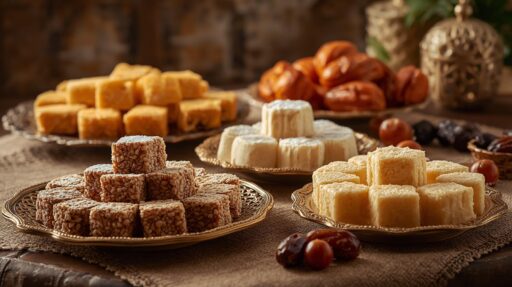
These sweet, fried dumplings, drizzled with date syrup or honey, are popular during Ramadan and other celebrations. They symbolize hospitality and joy.
3. Harees
Made from wheat and meat, harees is a traditional dish served during Ramadan and Eid. Its creamy texture and hearty taste reflect desert culinary ingenuity.
4. Balaleet
A sweet and savory dish of vermicelli with eggs and spices, Balaleet is a traditional breakfast favorite in Emirati households.
5. Seafood Specialties
Dishes like grilled hammour or samak mashwi highlight the UAE’s coastal heritage, using fresh fish and regional spices.
Cultural Significance
Traditional Emirati cuisine is more than food—it is a reflection of hospitality, social cohesion, and identity. Family meals, community feasts, and festival dishes strengthen relationships and transmit cultural knowledge across generations.
Modern Relevance
Today, traditional Emirati dishes are served in homes, restaurants, and cultural festivals. Culinary schools and heritage programs teach younger generations to preserve these recipes, while modern chefs innovate by combining traditional flavors with contemporary techniques.
Conclusion
Traditional Emirati cuisine is a flavorful journey through history, culture, and geography. From festive dishes to everyday meals, these foods tell the story of a resilient and hospitable people. Preserving these culinary traditions ensures that future generations remain connected to their heritage.