

Introduction
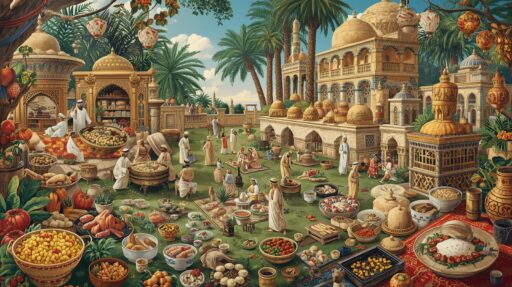
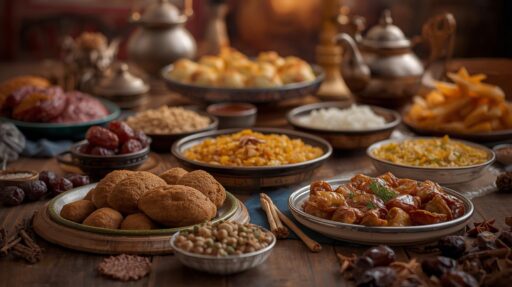
The history of food in the UAE is intertwined with geography, trade, and cultural influences. Coastal fishing, desert farming, and international trade shaped Emirati cuisine over centuries. This article explores how historical factors influenced the development of traditional dishes and eating practices.
Historical Background
In the early centuries, the UAE’s desert and coastal environment dictated available ingredients. Fishing villages provided seafood, while desert communities relied on camel, goat, and dates. Salt and spices were often imported via trade with India, Persia, and East Africa. These exchanges introduced new flavors, cooking techniques, and ingredients that enriched local cuisine.
Key Historical Influences
1. Bedouin Traditions
Nomadic tribes developed practical and nutritious meals using available ingredients. Dates, camel milk, and dried meat were staples, ensuring survival in harsh desert conditions.
2. Coastal Communities
Fishing villages contributed seafood dishes like grilled hammour and samak mashwi. Sea salt and locally grown herbs enhanced flavors, while trade introduced spices like saffron, cinnamon, and turmeric.
3. Trade Routes and Cultural Exchange
The UAE’s position along the Arabian Gulf made it a hub for traders. Spices, rice, and other exotic ingredients from India and Persia were incorporated into local dishes, creating rich and aromatic meals.
4. Influence of Festivals
Food was central to religious and cultural celebrations. Ramadan, Eid, and weddings featured special dishes that showcased culinary skills, hospitality, and generosity.
Timeline of Emirati Food History
- Bronze Age: Dates, fish, and grains form dietary staples.
- 7th Century CE: Islamic dietary laws influence food preparation.
- 18th–19th Century: Pearl diving and trade introduce spices and rice.
- 20th Century: Urbanization and globalization influence culinary practices.
- Present Day: Traditional dishes preserved in homes, restaurants, and festivals.
Modern Relevance
Understanding the history of Emirati cuisine highlights cultural resilience and adaptability. Modern chefs and culinary schools continue to preserve traditional recipes, while incorporating innovation to appeal to global tastes.
Conclusion
The history of food in the UAE is a rich blend of geography, tradition, and trade. Traditional dishes carry centuries of cultural knowledge, demonstrating how food serves as a bridge between the past and present. Preserving these culinary traditions is essential for maintaining national identity.