

Introduction
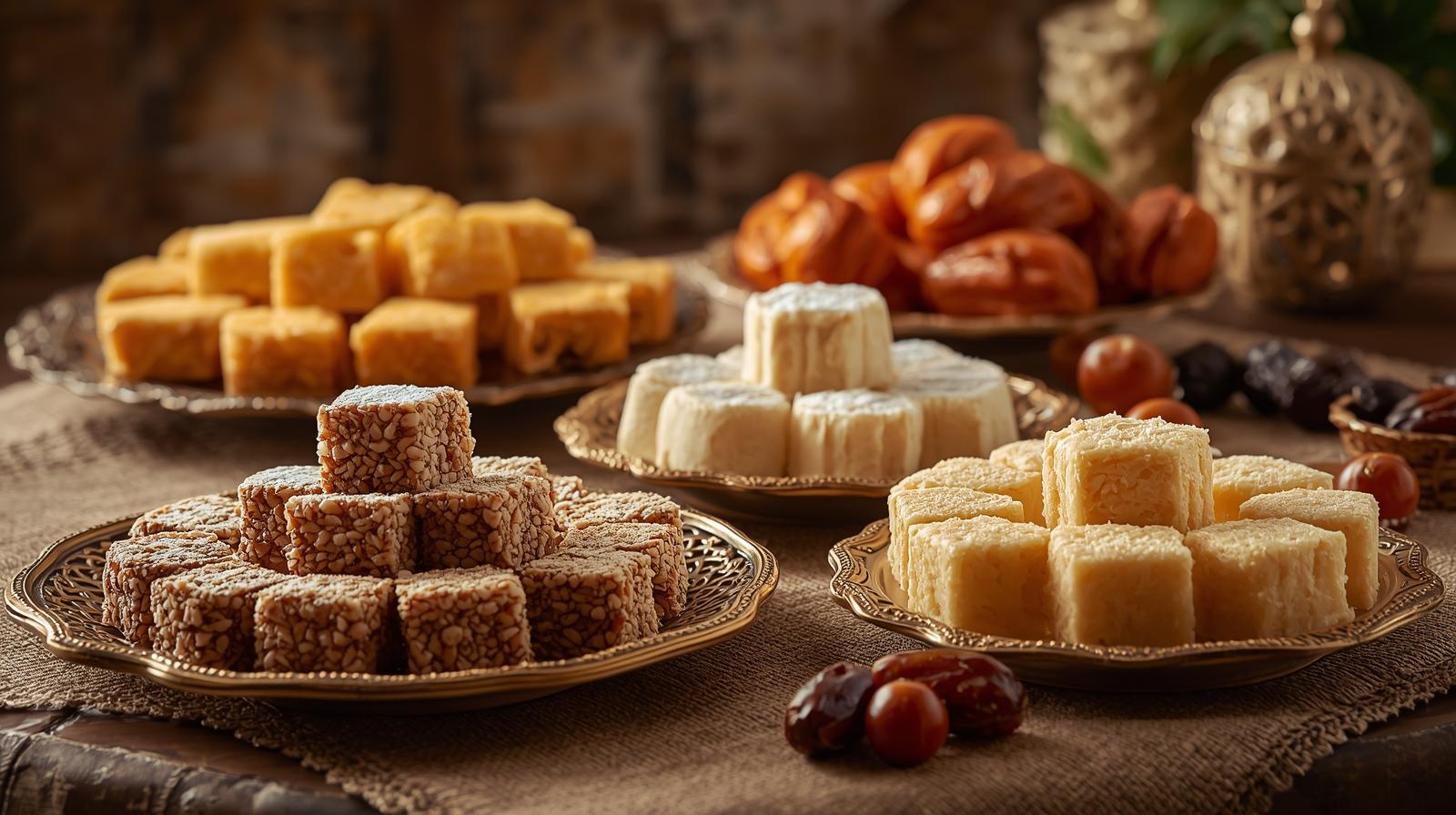
Desserts in Emirati cuisine are more than sweet treats; they are a symbol of hospitality, celebration, and cultural identity. From Ramadan specials to wedding delicacies, traditional desserts reflect the flavors, history, and values of the UAE.
Historical Background
Emirati desserts evolved from local ingredients such as dates, honey, wheat, and saffron. Coastal trade introduced sugar and spices, allowing for more elaborate recipes. Desserts were served during religious festivals, social gatherings, and family celebrations, emphasizing generosity and togetherness.
Key Traditional Desserts
1. Luqaimat
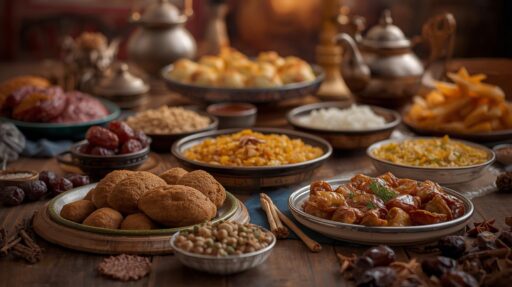
Golden fried dumplings, sweetened with date syrup or honey, Luqaimat is a Ramadan favorite. It represents hospitality and joy, often shared with neighbors and guests.
2. Khabeesa
A sweet dish made from toasted flour, sugar, and oil, Khabeesa is traditionally served at family gatherings and special occasions.
3. Al Madrooba
A sweet fish-based dessert, Al Madrooba highlights the coastal culinary heritage of the Emirates.
4. Balaleet
This sweet and savory breakfast dish combines vermicelli, sugar, and cardamom with eggs. It reflects the creativity of Emirati cuisine and the importance of breakfast in family life.
5. Dates with Arabic Coffee
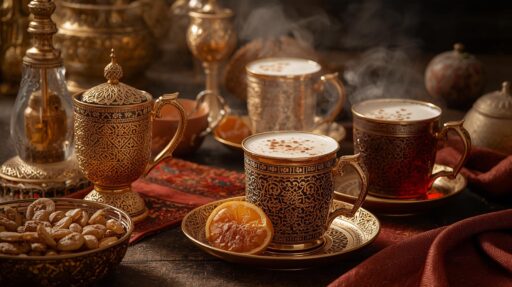
Though simple, serving dates with coffee is a cultural staple, symbolizing hospitality and respect for guests.
Cultural Significance
Desserts are integral to celebrations, religious observances, and hospitality rituals. They reflect community values, generosity, and a connection to history. Preparing and sharing desserts strengthens social bonds and transmits culinary knowledge across generations.
Modern Relevance
Traditional Emirati desserts are featured in modern restaurants, hotels, and cultural festivals. Chefs innovate by creating modern versions while preserving authentic flavors. Culinary workshops educate younger generations, ensuring these sweet traditions continue.
Conclusion
Traditional Emirati desserts are a delicious representation of culture, history, and hospitality. They celebrate the nation’s culinary heritage and continue to play a central role in family life, festivals, and social gatherings.